For decades, releasing a cloud of colorful balloons was a go-to way to mark life’s biggest milestones. It felt like a beautiful gesture, watching them disappear into the blue.
However, as we learn more about our local ecosystems, many families are looking for ways to celebrate that don’t leave a lasting footprint.
This is why white doves are the sustainable choice for ceremonies, offering a powerful alternative that combines deep symbolism with environmental responsibility.
The Environmental Toll of Balloons
While balloons may look cheerful as they rise, they inevitably become litter. Once they pop or deflate, they fall back to earth, often landing in waterways or forests where they can take years to break down.
This debris poses a serious threat to wildlife that may mistake the fragments for food. Choosing white doves for weddings allows you to maintain that breathtaking “skyward” moment without contributing to the growing problem of plastic pollution.
A Natural, Recurring Beauty
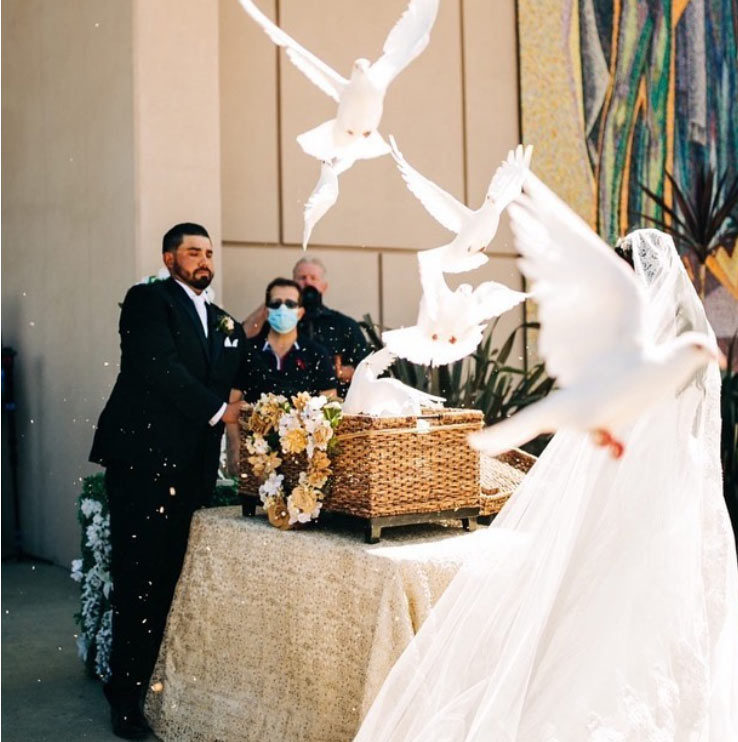
Unlike single-use items, a dove release is a natural process. The birds used in these ceremonies are specifically trained homing pigeons. When they are released, they don’t simply fly away into the unknown; they use their incredible instincts to navigate back to their home loft.
makes the experience “recyclable” in the truest sense—the same birds can participate in many events throughout their lives, enjoying a high quality of care and safety. This inherent circularity is a core reason why white doves are the sustainable choice for ceremonies.
Safety for Our Local Wildlife
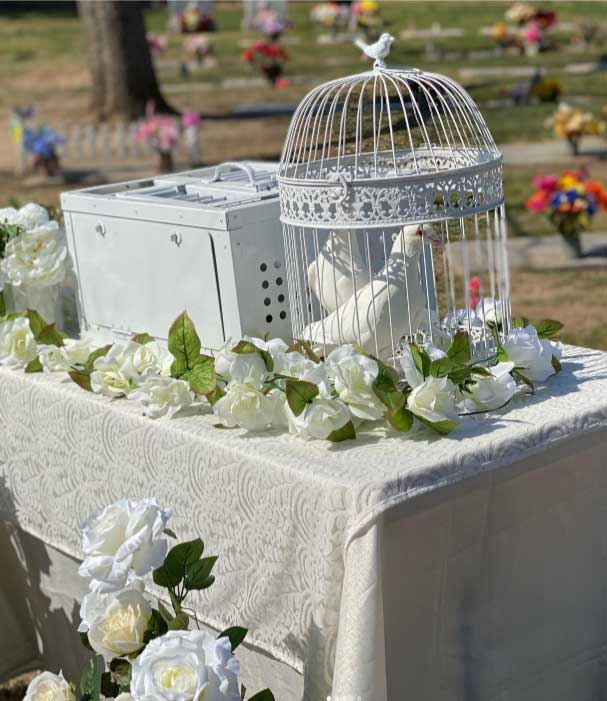
One of the biggest concerns with traditional releases is the risk to local animals. Balloon strings can easily entangle birds or marine life, causing injury. Professionally managed white doves for funerals eliminate this risk.
Because the birds are strong, fast flyers, they are well-equipped to navigate the skies safely and return home before dusk.
According to the National Audubon Society, protecting local bird habitats is a vital part of conservation, and choosing a non-polluting ceremony helps keep our local Tulare and Fresno County ecosystems clean.
Meaningful Connection Over Waste
There is an emotional weight to a live release that a balloon simply cannot match. Watching a flock of white wings lift and circle together creates a moment of silence and awe.
For many, it symbolizes a soul’s journey or the start of a new life together. By choosing white doves for special events, you are prioritizing a living, breathing tradition that respects nature rather than a plastic product that will eventually harm it.
White Wings Dove Release: Our Commitment
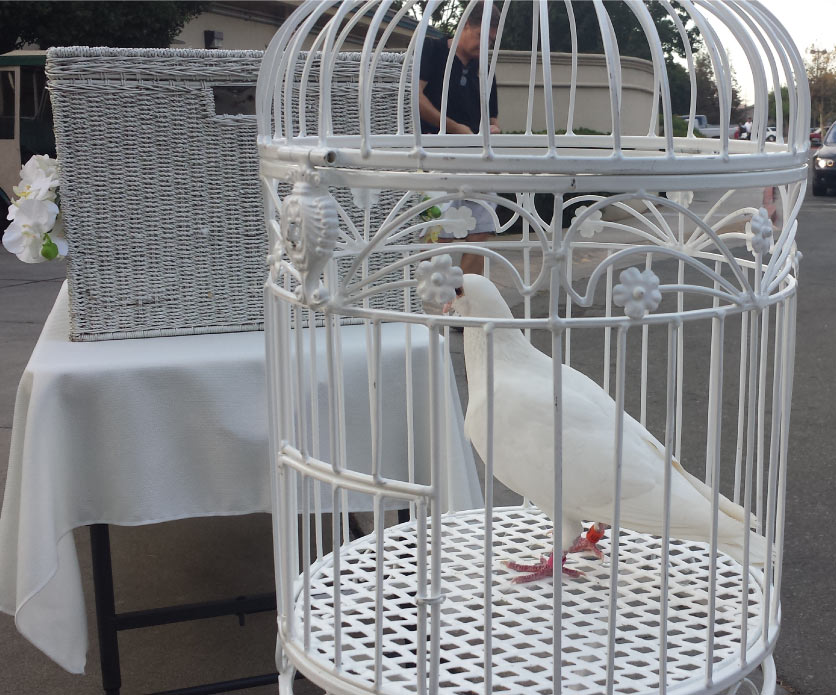
At White Wings Dove Release, we founded our business in 2019 with a vision of providing fairness and compassion to our customers. Based in Visalia, CA, we serve Tulare, Kings, and Fresno counties with the utmost respect for our birds’ well-being.
We never release our birds in inclement weather or too close to sunset, ensuring every “white wing” returns safely to its home. We are proud to offer a microphone and speaker service to make your sustainable ceremony even more personal.
Frequently Asked Questions (FAQs)
What happens to the doves after they are released?
Trained homing doves use their natural navigation skills to return directly to their home loft, where food, water, and shelter await them.
Are white doves and balloons the same price?
While professional dove services involve the cost of bird care and training, they offer a professional, managed experience that avoids the environmental “hidden costs” of cleaning up litter.
Can doves be released at night or in the rain?
No. Professional handlers will not release birds in the dark or during bad weather to ensure the birds can navigate home safely.
Is a dove release considered animal-friendly?
Yes, provided you use a professional service. Trained homing pigeons are well-cared for, highly intelligent, and enjoy the exercise of flying home.
How far can the doves fly to get home?
Professional homing doves can navigate from several miles away, though most services operate within a specific regional radius to ensure the birds’ comfort.